R&D Tax Credits for Boat & Marine Businesses

Boat manufacturers routinely perform engineering work that qualifies for research and development (R&D) tax credits under Internal Revenue Code (IRC) §41, yet many never claim them. Hull design, propulsion development, composite materials testing, and systems integration can all involve technical uncertainty and experimentation that the credit was built to reward.
The key question isn’t whether you’re building boats, it’s whether your engineers are solving problems that previously went unsolved.
The Marine Industry is Full of R&D
Boat manufacturing is not a static industry. As new environmental and regulatory requirements emerge, new models are engineered, and with this comes engineering decisions, material changes, hydrodynamic improvements, propulsion evolution, and that’s just scratching the surface.
What many boat manufacturers don’t realize is that the problem-solving embedded in the work may qualify them for R&D tax credits.
The R&D tax credit is industry-neutral. Eligibility is determined by the nature of the activity, not by the sector. If your engineers are working to eliminate technical uncertainty through a systematic process of experimentation, you may have a significant credit you’ve never claimed.
What Activities Qualify in the Boat and Marine Industry?
To qualify for the credit, activities must pass the four-part test:
• Permitted Purpose: The activity must be aimed at developing or improving a product or process.
• Technological in Nature: The work must rely on engineering, physical or biological science, or computer science principles.
• Technical Uncertainty: The activity must involve a genuine technical uncertainty about whether the developers are capable or do not know the best method to achieve a goal.
• Process of Experimentation: Your team must have a process that is capable of testing alternatives evaluating approaches.
How this plays out in a boat manufacturing context:
Hull Design and Hydrodynamic Engineering
Designing or meaningfully improving an existing hull design involves engineering uncertainty. When your team is testing different deadrise angles, beam profiles, or running surface geometries to achieve target performance characteristics like speed, stability, or fuel efficiency, and when you’re doing that through systematic comparison of design alternatives, a process of experimentation is taking place. Custom builds that require designing new and improved performance specifications are particularly strong candidates.
Composite Materials Development and Testing
Modern boat manufacturing is deeply material intensive. Developing and testing new laminate schedules, evaluating resin systems, optimizing fiber orientation in composite layups, or assessing the structural performance of new core materials all involve the kind of engineering science that satisfies that “technological in nature” requirement under IRC §41(d)(1). Running trials to compare different materials under load, fatigue, or saltwater exposure also fits the definition of experimentation.
Propulsion System Development
Whether you’re integrating a new engine configuration, developing a new sterndrive application, engineering an electric or hybrid propulsion system, or optimizing prop selection for a new hull platform, propulsion work can be rich with qualifying activity. The uncertainty is present: how a propulsion system couples with a specific hull design cannot always be predicted from first principles. Testing, iteration, and measurement of outcomes like speed curves, fuel consumption, and/or handling characteristics constitute a valid process of experimentation.
Structural and Safety Engineering
Designing structural components to meet performance or safety standards, particularly when the solution isn’t known at the outset, may qualify. This can include developing new bulkhead configurations, testing fuel system integrity under impact scenarios, or engineering new deck hardware mounting solutions that need to meet load specs not addressed by existing designs. Work done to meet National Marine Manufacturers Association (NMMA) or American Boat and Yacht Council (ABYC) standards that require engineering problem-solving rather than simple application of an established protocol also may qualify for the credit.
New Manufacturing Process Development
R&D tax credits are not limited to product development. If your team developed a new production process such as a new resin infusion method, a new CNC toolpath program for mold cutting, or a new assembly sequence designed to reduce defects or improve structural integrity, and did so through systematic trials with measurable outcomes, they may qualify. Under IRC §41(d)(2)(B), a business component includes process used in your trade or business, not only the products you sell.
What Doesn’t Qualify
Not everything that happens on a production floor is R&D. Under IRC §41(d)(4), the following would not qualify:
- Routine production of a vessel using established designs and techniques
- Adapting an existing boat model to a specific customer’s preferences or measurements
- Duplicating a competitor’s design from publicly available plans or specifications
- Standard quality control inspection of finished boats
- Research conducted outside of the United States
The line can be subtle, but the most important question is whether genuine technical uncertainty existed and whether you resolved it through experimentation. This is also whether an expert in R&D tax credit becomes an invaluable resource.
What Expenses Count?
Once qualifying activities are identified, the expenses tied to the activities become Qualified Research Expenses (QREs) under the IRC §41(b). In a boat manufacturing context that typically includes:
- Engineer and designer wages: Time spent by naval architects, structural engineers, electronics engineers, and production staff directly supporting their R&D work.
- Prototype and test materials: Fiberglass, resins, core materials, hardware, and other supplies (including software) consumed in building and testing prototypes.
- Contract research: 65% of amounts paid to outside engineers, naval architects, hydrodynamic testing firms, or other contractors performing qualified research on your behalf, provided you retain substantial rights to the results and bear the financial risk of the work. The contract work must be performed inside the United States.
Documentation
Though documentation is crucial to ensure a claim can stand up to IRS scrutiny, it does not need to be overly scientific. Time sheets, notes on the problem trying to be solved and what was tested, what worked and did not, or how it was measured can be sufficient. Again, this is where a qualified and experienced R&D tax credit consultant can be of great value, as they can help you organize your notes into a defensible claim.
What RK Partners Can Do for You
The marine manufacturing industry is filled with qualified research that goes unclaimed, not because it doesn’t exist, but because they haven’t been looked for systematically. RK Partners works exclusively in R&D tax credits – nothing else. Our tax attorneys, CPAs, consultants, and engineers are highly trained in these specific credits and understand the engineering behind boat manufacturing, and know how to translate that into a defensible, well-documented credit claim.
Our firm has a 100% success rate. We’ve found R&D tax credits for companies that didn’t know they were qualified, and we’ve also found additional credits for companies that have been through the process with another advisor, but were not uncovered.
If your team is designing, testing, and/or improving boats and marine systems, it’s worth having a conversation about your potential for a R&D tax credit claim. Contact us for a no-risk consultation today.
R&D Tax Credits for Boat & Marine Businesses
Boat manufacturers routinely perform engineering work that qualifies for research and development (R&D) tax credits under Internal Revenue Code (IRC) §41, yet many never claim them. Hull design, propulsion development, composite materials testing, and systems integration can all involve technical uncertainty and experimentation that the credit was built to reward.
The key question isn’t whether you’re building boats, it’s whether your engineers are solving problems that previously went unsolved.
The Marine Industry is Full of R&D
Boat manufacturing is not a static industry. As new environmental and regulatory requirements emerge, new models are engineered, and with this comes engineering decisions, material changes, hydrodynamic improvements, propulsion evolution, and that’s just scratching the surface.
What many boat manufacturers don’t realize is that the problem-solving embedded in the work may qualify them for R&D tax credits.
The R&D tax credit is industry-neutral. Eligibility is determined by the nature of the activity, not by the sector. If your engineers are working to eliminate technical uncertainty through a systematic process of experimentation, you may have a significant credit you’ve never claimed.
What Activities Qualify in the Boat and Marine Industry?
To qualify for the credit, activities must pass the four-part test:
• Permitted Purpose: The activity must be aimed at developing or improving a product or process.
• Technological in Nature: The work must rely on engineering, physical or biological science, or computer science principles.
• Technical Uncertainty: The activity must involve a genuine technical uncertainty about whether the developers are capable or do not know the best method to achieve a goal.
• Process of Experimentation: Your team must have a process that is capable of testing alternatives evaluating approaches.
How this plays out in a boat manufacturing context:
Hull Design and Hydrodynamic Engineering
Designing or meaningfully improving an existing hull design involves engineering uncertainty. When your team is testing different deadrise angles, beam profiles, or running surface geometries to achieve target performance characteristics like speed, stability, or fuel efficiency, and when you’re doing that through systematic comparison of design alternatives, a process of experimentation is taking place. Custom builds that require designing new and improved performance specifications are particularly strong candidates.
Composite Materials Development and Testing
Modern boat manufacturing is deeply material intensive. Developing and testing new laminate schedules, evaluating resin systems, optimizing fiber orientation in composite layups, or assessing the structural performance of new core materials all involve the kind of engineering science that satisfies that “technological in nature” requirement under IRC §41(d)(1). Running trials to compare different materials under load, fatigue, or saltwater exposure also fits the definition of experimentation.
Propulsion System Development
Whether you’re integrating a new engine configuration, developing a new sterndrive application, engineering an electric or hybrid propulsion system, or optimizing prop selection for a new hull platform, propulsion work can be rich with qualifying activity. The uncertainty is present: how a propulsion system couples with a specific hull design cannot always be predicted from first principles. Testing, iteration, and measurement of outcomes like speed curves, fuel consumption, and/or handling characteristics constitute a valid process of experimentation.
Structural and Safety Engineering
Designing structural components to meet performance or safety standards, particularly when the solution isn’t known at the outset, may qualify. This can include developing new bulkhead configurations, testing fuel system integrity under impact scenarios, or engineering new deck hardware mounting solutions that need to meet load specs not addressed by existing designs. Work done to meet National Marine Manufacturers Association (NMMA) or American Boat and Yacht Council (ABYC) standards that require engineering problem-solving rather than simple application of an established protocol also may qualify for the credit.
New Manufacturing Process Development
R&D tax credits are not limited to product development. If your team developed a new production process such as a new resin infusion method, a new CNC toolpath program for mold cutting, or a new assembly sequence designed to reduce defects or improve structural integrity, and did so through systematic trials with measurable outcomes, they may qualify. Under IRC §41(d)(2)(B), a business component includes process used in your trade or business, not only the products you sell.
What Doesn’t Qualify
Not everything that happens on a production floor is R&D. Under IRC §41(d)(4), the following would not qualify:
- Routine production of a vessel using established designs and techniques
- Adapting an existing boat model to a specific customer’s preferences or measurements
- Duplicating a competitor’s design from publicly available plans or specifications
- Standard quality control inspection of finished boats
- Research conducted outside of the United States
The line can be subtle, but the most important question is whether genuine technical uncertainty existed and whether you resolved it through experimentation. This is also whether an expert in R&D tax credit becomes an invaluable resource.
What Expenses Count?
Once qualifying activities are identified, the expenses tied to the activities become Qualified Research Expenses (QREs) under the IRC §41(b). In a boat manufacturing context that typically includes:
- Engineer and designer wages: Time spent by naval architects, structural engineers, electronics engineers, and production staff directly supporting their R&D work.
- Prototype and test materials: Fiberglass, resins, core materials, hardware, and other supplies (including software) consumed in building and testing prototypes.
- Contract research: 65% of amounts paid to outside engineers, naval architects, hydrodynamic testing firms, or other contractors performing qualified research on your behalf, provided you retain substantial rights to the results and bear the financial risk of the work. The contract work must be performed inside the United States.
Documentation
Though documentation is crucial to ensure a claim can stand up to IRS scrutiny, it does not need to be overly scientific. Time sheets, notes on the problem trying to be solved and what was tested, what worked and did not, or how it was measured can be sufficient. Again, this is where a qualified and experienced R&D tax credit consultant can be of great value, as they can help you organize your notes into a defensible claim.
What RK Partners Can Do for You
The marine manufacturing industry is filled with qualified research that goes unclaimed, not because it doesn’t exist, but because they haven’t been looked for systematically. RK Partners works exclusively in R&D tax credits – nothing else. Our tax attorneys, CPAs, consultants, and engineers are highly trained in these specific credits and understand the engineering behind boat manufacturing, and know how to translate that into a defensible, well-documented credit claim.
Our firm has a 100% success rate. We’ve found R&D tax credits for companies that didn’t know they were qualified, and we’ve also found additional credits for companies that have been through the process with another advisor, but were not uncovered.
If your team is designing, testing, and/or improving boats and marine systems, it’s worth having a conversation about your potential for a R&D tax credit claim. Contact us for a no-risk consultation today.
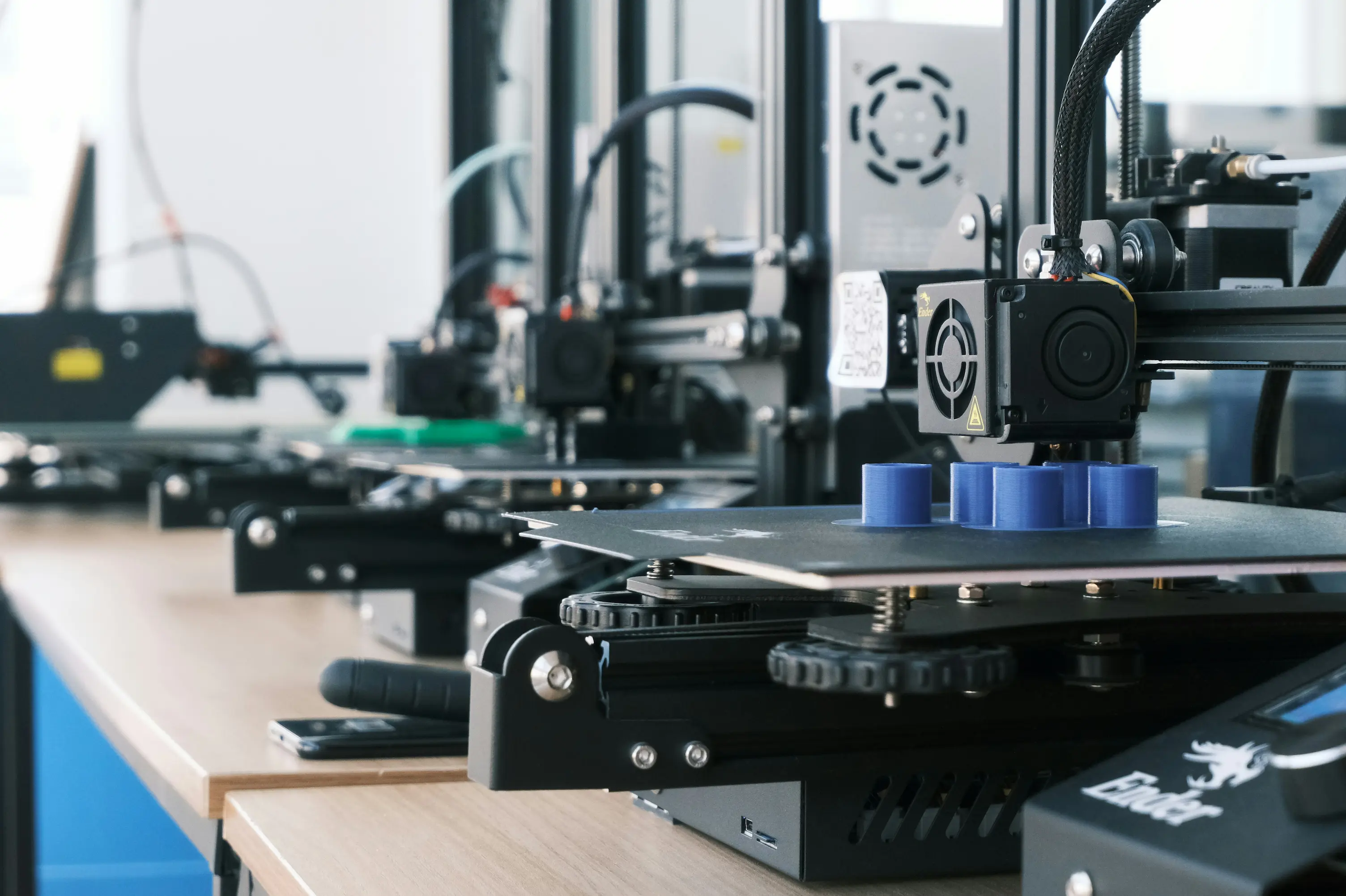
R&D Tax Credits for Additive Manufacturing
A company that has printed the same bracket the same way for multiple years in a row might not feel like it’s doing any research in the same way that a traditional manufacturer that added one metal printer to build a single part in-house may not, but both may be wrong in their assumptions.

Your Project Failed. What Does That Mean For Your R&D Tax Credit?
A failed project may still qualify for the R&D tax credit. The Treasury regulations state that the ultimate success or failure does not automatically qualify or disqualify whether its development costs count as research expenditures. Before you write off a shelved prototype, a scrapped software build, or a formulation that was never launched, find out whether the work behind it qualifies.